What makes multi-phase machines different from traditional three-phase systems
Power Electronics | Power Systems
04 / 09 / 2026

Key Takeaways
- Three-phase remains the industrial default because it balances motor performance, wiring practicality, protection, and maintenance support better than any other widely available option.
- Multiphase machines matter when you need smoother torque, better thermal sharing, or continued operation after a phase fault, especially in high-reliability drive systems.
- Extra phases only pay off when your controls, inverter design, and test process are prepared for the added complexity that comes with them.
Multiphase machines are different from traditional three phase systems because they add fault tolerance and smoother torque, but they only make sense when your application can justify the added control effort.
Single-phase versus three-phase comparisons set the baseline for most power discussions, yet they do not explain why some engineers move past three phases at all. That next step matters when you care about continued operation after a fault, lower torque pulsation, or tighter thermal sharing across the machine. Those gains are practical, not academic, and they show up in specific drive classes rather than every motor room.
Electric motor systems consume about 45% of global electricity, which is why small gains in power quality, losses, or uptime carry weight across many sectors. You will get the clearest answer if you treat three-phase as the standard reference point and multiphase as a targeted engineering response to problems that three-phase does not solve well enough.
Single phase vs three phase sets the practical baseline
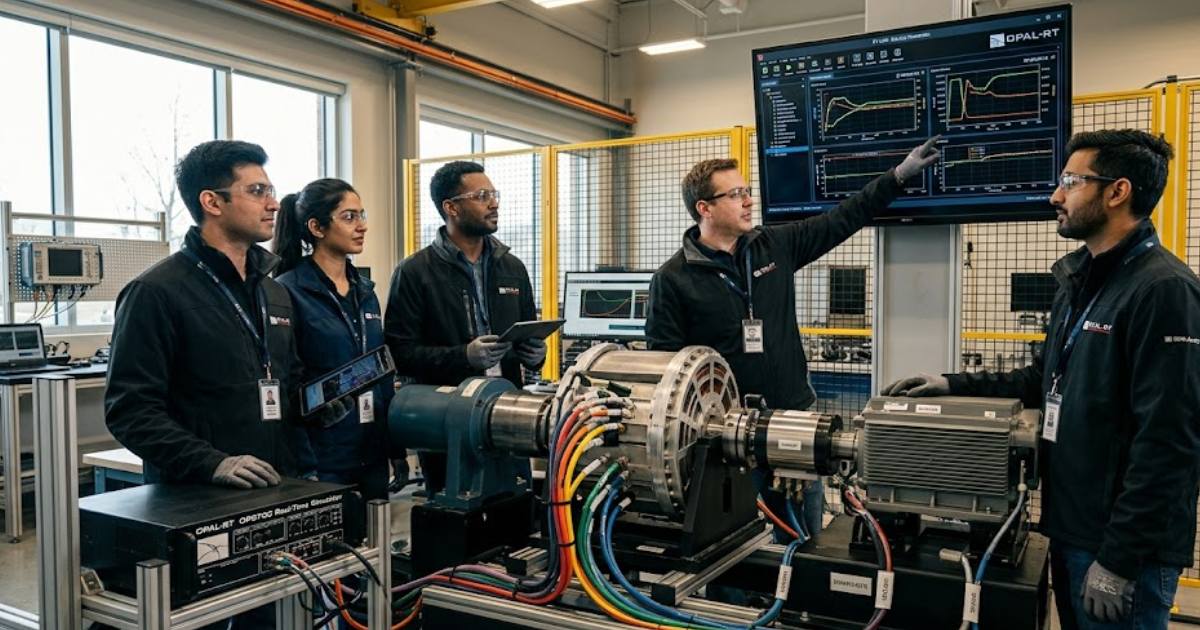
Single-phase power uses one alternating voltage waveform, while three-phase power uses three waveforms shifted in time. That shift gives the three-phase a steadier transfer of power. Motors start more cleanly with it. If you are comparing single-phase versus three-phase power, smooth torque delivery is the first practical difference to check.
A home well pump shows the contrast clearly. A single-phase supply can run the pump, but the motor often needs start components and sees more pulsation through each cycle. A machine tool in a shop usually prefers three-phase because the spindle sees steadier input and better starting torque. That is why single-phase suits light loads and basic access, while three-phase suits heavier rotating equipment.
This matters because many questions about multiphase machines start too far ahead. You need a clear view of the single-phase versus three-phase electricity gap before extra phases mean anything. Three-phase already fixes the biggest weakness of single-phase for motors. Multiphase begins where three-phase performance is good, yet still not good enough for the job you need to support.
Three phase became standard because it balances power well
Three-phase became standard because it gives near constant power with reasonable wiring, machine size, and control complexity. That balance keeps motors efficient and mechanically calmer. Utilities can distribute it well. Factories can maintain it with standard protection, standard drives, and standard training, which is why it remains the default industrial choice.
A conveyor line is a good example. The motor needs reliable starting torque, steady shaft output, and a supply format that technicians already know how to protect and troubleshoot. Three-phase checks those boxes without adding unusual inverter hardware or special control mathematics. A compressor skid or pump train follows the same logic, since consistency often matters more than squeezing out a niche performance gain.
Three-phase also fits the way most plants are built. Protection gear, motor starters, cable sizing practices, and spare motor inventories are all shaped around it. You can get strong performance without asking your controls team to manage extra current subspaces or unusual fault strategies. That standardization is a major reason multiphase machines stay selective even when their technical benefits are real.
Multiphase machines use more than three stator phases
Multiphase machines are motors or generators with more than three stator phases, often five or six. They still create a rotating magnetic field. The difference is that current is shared across more phase windings. That added phase count changes torque quality, fault behaviour, inverter structure, and the control methods you need to run the machine properly.
A five-phase traction motor gives you a concrete picture. The motor still converts electrical power into rotation, but it does so with more current paths than a standard three-phase machine. A six-phase marine propulsion motor follows the same principle, often with windings arranged to improve redundancy. You are not looking at a totally different class of physics. You are looking at a different way to distribute electrical effort inside the machine.
That shift matters because the added phases create options that the three-phase cannot offer as easily. Current can be redistributed after certain faults. Torque production can be made smoother at low speed. Thermal loading can spread more evenly across the winding set. Those benefits are useful, yet they come with extra inverter hardware and more involved control design.
| Phase arrangement | What the arrangement usually gives you |
|---|---|
| Single-phase supply | Single-phase is simple to access and wire, but motor torque and starting behaviour are less smooth for heavier loads. |
| Three-phase supply | Three-phase gives steadier power transfer, better motor starting, and standard industrial support across protection and maintenance. |
| Five-phase machine | Five-phase machines spread current across more paths, which helps fault tolerance and can reduce torque pulsation. |
| Six-phase machine | Six-phase layouts often suit high reliability drives where continued operation after one fault matters more than hardware simplicity. |
| Higher phase counts | Higher phase counts raise sensing, inverter, and validation effort, so they fit only when the added performance solves a clear problem. |
Extra phases reduce torque ripple under load
Extra phases reduce torque ripple because more phase vectors share torque production across the electrical cycle. Shaft output becomes smoother. Pulsation drops under disturbed load or at low speed. You will notice the gain most when the application is sensitive to vibration, speed oscillation, or uneven force at the shaft.
A slow speed propeller drive makes this easy to picture. Small torque pulsations that seem minor on paper can create noticeable mechanical stress, acoustic noise, and control corrections in operation. A precision actuator sees a similar effect, since ripple shows up as position error and hunting. Extra phases help because torque is produced with finer electrical granularity than a standard three-phase set.
Smoother torque does not only affect comfort or noise. Bearings, couplings, gear teeth, and control loops all react to the quality of the torque waveform they receive. If your machine runs near low speed limits, or if the load varies sharply, reduced ripple can simplify the rest of the mechanical system. That is one of the clearest reasons engineers consider multiphase motors instead of stopping at three-phase.
Extra phases keep machines running after one fault
Additional phases give a machine more current paths, so one lost phase does not always force total shutdown. A standard three-phase motor often loses too much balance after a serious phase fault. A five-phase or six-phase machine can still produce useful torque. That continued operation is the most important practical difference for many high-reliability designs.
A shipboard cooling pump shows the value well. If one inverter leg or one phase path fails, the machine can be recontrolled to keep the pump moving long enough to protect equipment and reach a safe maintenance point. An aircraft actuator or a remote compressor package benefits for the same reason. You are buying time and control, not perfect performance after damage.
Protection strategy becomes more nuanced when that option exists. You will permit degraded operation for some faults, yet you still need strict thermal and current limits so the remaining healthy phases are not overstressed. Mechanical output also drops, so the load must tolerate reduced capability. That tradeoff is still attractive when a full stop carries a larger operational penalty than temporary derating.
Control gets harder as phase count rises
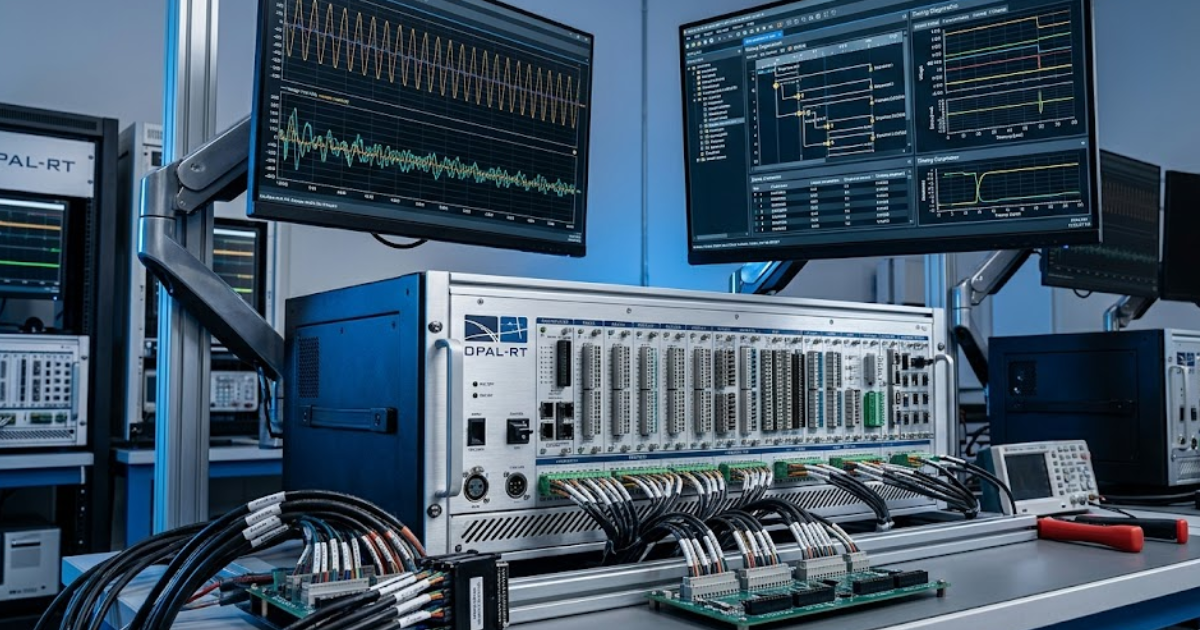
More phases raise control effort because you add inverter legs, current sensors, fault logic, and more complicated current decomposition. That added work affects software, hardware, and validation. The machine is easy to justify on paper. It will not behave well unless the control stack is tuned and tested carefully.
The engineering load grows in five clear places. Each one adds work for your controls and validation teams. Hardware count rises with the machine. Software logic also expands with it.
- Current measurement has to cover more phase channels with tighter timing.
- Power electronics need more switching devices and more gate control paths.
- Fault handling must detect partial failures without creating false trips.
- Control software has to manage extra current components and limits.
- Validation takes longer because more operating states must be tested.
A lab team using OPAL-RT to test a five-phase inverter in closed loop will usually model phase loss, sensor error, and controller saturation before full power hardware is allowed to run. That step matters because multiphase control problems often hide in transient conditions rather than steady operation. You cannot assume a stable simulation means stable hardware. Careful test coverage is part of the machine design, not an optional add-on.
“The machine is easy to justify on paper. It will not behave well unless the control stack is tuned and tested carefully.”
High reliability drives the most gain from multiphase motors
Multiphase motors pay off most in drives where shutdown, torque pulsation, or thermal concentration carries a high penalty. Those cases put clear value on fault tolerance and smoother current sharing. If uptime is your main metric, extra phases move from technical curiosity to a sensible design option. That is where the case for multiphase motors becomes strongest.
An electric aircraft actuator is a strong example because a loss of motion can affect flight function, while a brief period of degraded operation can still be useful. A subsea pump or remote compressor train faces a similar logic, since access for repair is hard and costly. Traction drives can also benefit when low-speed smoothness and post-fault torque both matter. Those are not ordinary duty cycles, and the motor choice reflects that.
Thermal loading also improves in many of these cases because current is shared across more paths. That can ease hot spots in the winding set and reduce stress on any single-phase leg under normal operation. You still pay for more complex hardware and more testing. The return shows up when the system value of staying operational is greater than the value of keeping the drive architecture simple.
“Three phase remains the default because it gives strong performance with simpler supply, protection, training, and spare parts.”
Most industrial systems still favour the standard three-phase
The main difference between multiphase and standard three-phase in practice is fit, not capability. Three-phase remains the default because it gives strong performance with simpler supply, protection, training, and spare parts. Multiphase earns its place when the cost of interruption or ripple is higher than the cost of added control. That is the practical judgement most teams should use.
Electric motor systems use nearly 70% of the electricity consumed by industry in Europe. That scale helps explain why standardization around the three-phase stays so strong. Most plants need dependable, serviceable motor systems more than they need advanced fault tolerance. If your load can stop safely and restart with ordinary maintenance support, three-phase will remain the sound choice.
Teams that model and test advanced drives on platforms such as OPAL-RT usually reach the same judgement after the numbers are clear. Extra phases should answer a specific engineering problem such as fault ride through, low-speed smoothness, or thermal sharing. They should not be added for novelty or vague performance hopes. Good motor selection stays disciplined when you match phase count to operating risk and maintenance reality.
Real-time solutions across every sector
Explore how OPAL-RT is transforming the world’s most advanced sectors.
Automotive
10 / 21 / 2026
Megawatt charging system validation for heavy duty trucks
A practical look at how the megawatt charging system works, how it differs from CCS and how charger controls are tested before a truck site is energized.
Automotive
10 / 19 / 2026
Dynamometer testing and motor emulation compared for e-drive programs
A comparison of dynamometer testing and motor emulation for e-drive programs, covering what each method proves, what it costs and how teams sequence both.

Power Electronics
10 / 17 / 2026
How wide bandgap devices push converter power density
Wide bandgap devices raise converter power density through faster switching and smaller passives, and this guide traces that chain from device physics to thermal limits to validation.